Polarized lenses have become the default recommendation for anything outdoor-related. Walk into any gear shop, mention that you hike or fish or drive long distances, and you’ll get pointed toward polarized without much explanation beyond “they reduce glare.”
That’s true. But it’s not the whole picture, and for some activities, polarized lenses aren’t the best choice.
What polarization actually does
Light bounces off flat surfaces like water, snow, roads, and car hoods in a specific pattern. Instead of scattering in all directions, reflected light waves align horizontally. That horizontal alignment is what creates glare, the harsh, blinding brightness that makes you squint even with regular sunglasses on.
Polarized lenses contain a chemical filter oriented vertically. It blocks horizontally aligned light waves while letting everything else through. The result is a dramatic reduction in surface glare without darkening the overall scene.
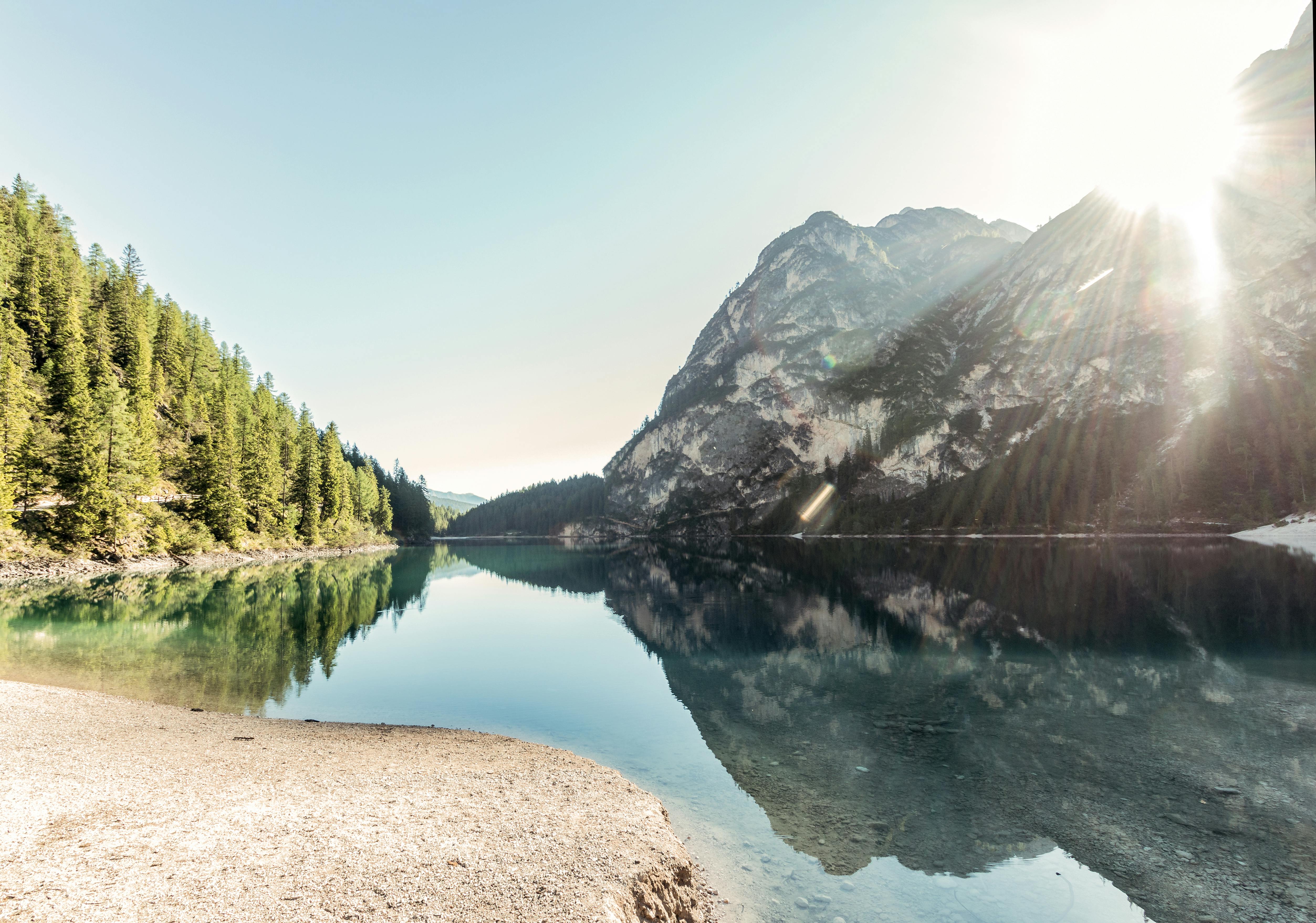
You’ve experienced this if you’ve ever looked at a lake through polarized lenses and suddenly been able to see through the surface to the rocks below. That’s polarization at work.
When polarized is the clear winner
Water activities. Fishing, kayaking, paddleboarding, sailing. Anything where you’re looking at or near a water surface. The glare reduction is transformative, not just for comfort but for visibility. If you fish, polarized lenses aren’t optional. You literally can’t see into the water without them.
Driving. Road glare, dashboard reflections, and the blinding flash off other cars’ windshields all get cut significantly. Long drives in bright conditions are noticeably less fatiguing with polarized lenses.
Snow sports at lower altitudes. Snowshoeing, cross-country skiing, winter hiking. The flat snow surface produces intense horizontal glare that polarized lenses handle well.
When polarized isn’t ideal
Reading digital screens. Polarized lenses create visible interference patterns on LCD screens. Your phone, your GPS, your car’s dashboard display, and your camera’s LCD can all appear distorted, darkened, or show rainbow patterns. If you’re constantly checking a device on the trail, this gets annoying fast.
Downhill skiing and snowboarding. This sounds counterintuitive since snow produces glare. But at speed, you need to read ice patches, moguls, and terrain changes. Polarized lenses can mask the subtle light variations that help you distinguish ice from packed snow. Most serious skiers use non-polarized lenses with high-contrast tints instead.
Low light conditions. Polarized lenses reduce overall light transmission slightly beyond what the tint alone does. In dawn, dusk, or heavily overcast conditions, they can make things darker than you’d like. A standard UV-protective lens with a lighter tint is usually better for early morning or late afternoon activities.
The practical recommendation
If you do one thing near water regularly, get a dedicated pair of polarized sunglasses for that activity. They’ll pay for themselves in comfort and visibility the first time you use them.
For general hiking and everyday outdoor use, a good pair of non-polarized lenses with full UV400 protection and a medium-dark tint (category 3) covers 80% of situations well. You won’t get the glare-cutting magic on water, but you’ll have consistent performance across conditions without the screen interference issues.
If you can only own one pair for everything, polarized is the safer bet for most people. The screen issue is manageable if you tilt your head slightly. But if you have the budget for two pairs, specialize. One polarized for water and driving, one non-polarized for everything else.