Cycling eyewear is a heavily marketed category with a lot of expensive options and a relatively short list of features that actually matter for most riders. Here is a clear-eyed view of what is worth paying for and what is not.
What actually matters
Coverage: Moving at 20 to 40 km/h or faster, wind and particulates are constant factors. The primary function of cycling eyewear is not UV protection — it is physical protection of the eye from insects, road grit, dust, and wind. This requires coverage geometry that standard fashion frames do not provide. The lens should sit close to the face and extend past the orbital area to block direct airflow.
UV protection: Also important, but secondary to coverage geometry. Any lens sitting in front of your eyes at speed is better than no lens, even without UV certification. With UV400 certification, you have both physical and UV protection covered.
Secure fit: Frames that slide down your nose or bounce with road vibration are not useful. Rubber nose pads and temple tips are standard on cycling-specific frames for this reason. A frame that stays put without constant adjustment is worth more than any optical specification.
Optical clarity: Distortion in the lens affects depth perception and peripheral awareness at speed. This is particularly important for road cycling where vehicle proximity requires accurate spatial judgment. Quality optics matter here. Inexpensive lenses with visible distortion are a genuine safety issue at road cycling speeds.
What matters less than marketed
Aerodynamics: At recreational speeds, frame aerodynamics are not a meaningful performance factor. This is relevant for time trial racing. For most road and trail cyclists, aerodynamics in eyewear is a marketing angle.
Interchangeable lenses: Useful for athletes who ride across a wide range of light conditions and need to optimize precisely. For most cyclists, a mid-tint lens (VLT 20 to 40 percent) handles the majority of conditions adequately. The added cost and system complexity of interchangeable lenses is not justified for recreational use.
Brand-specific frame systems: Major cycling eyewear brands sell proprietary accessories, replacement parts, and lens systems designed to create ongoing spend with the same manufacturer. These systems are convenient but not necessary. Standard replacement lenses from third-party manufacturers fit most major frame platforms.
Frame types and use cases
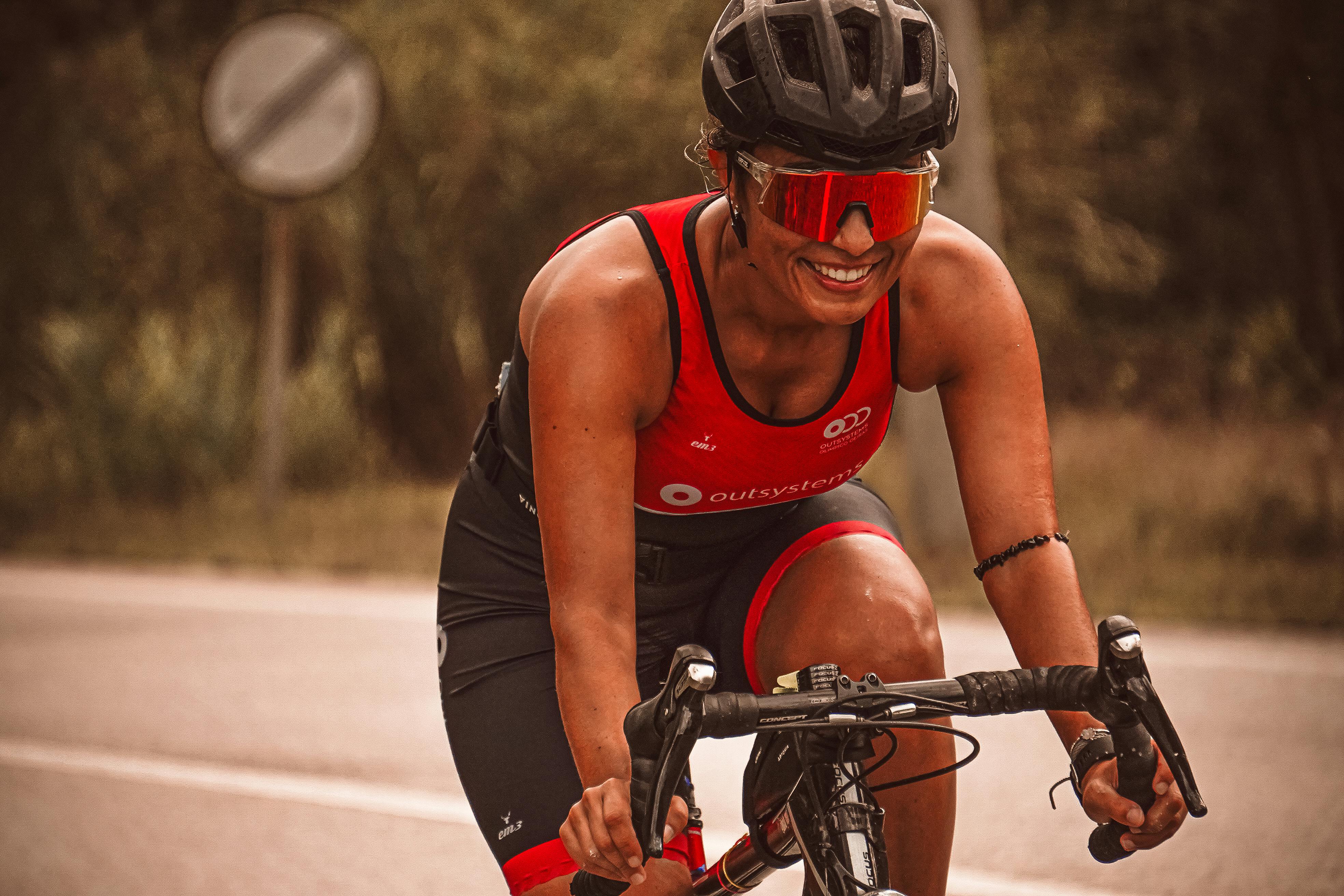
Wraparound shield: Maximum coverage, best for road cycling and any conditions involving significant speed or wind exposure. The single large lens provides uninterrupted peripheral vision, which is valuable for road awareness.
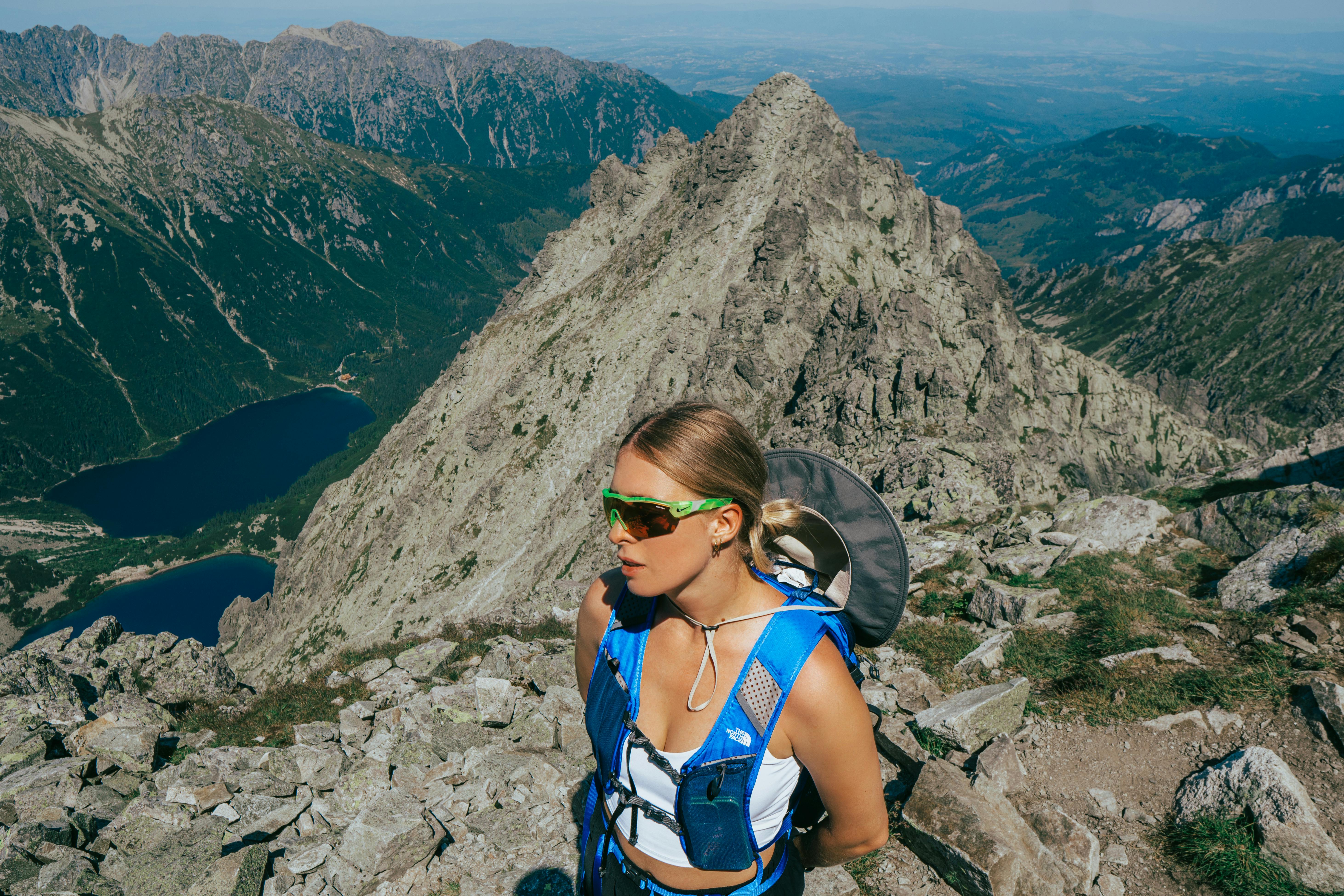
Wrap sport frame: A more conventional frame shape with close-fit curved lenses. More coverage than fashion frames, more versatile aesthetically than shields. Good for trail riding where you move between riding and hiking.
Standard fashion frame: Adequate for casual cycling at low speed in mild conditions. Not adequate for sustained road riding or technical trail riding where physical protection is a real factor.
Lens tint for cycling
Gray: The default. Accurate color rendering, reliable across a range of bright conditions. Best for variable terrain where you need to read surface texture accurately.
Brown/amber: Enhanced contrast. Better for overcast or variable conditions. Useful for trail riding where contrast between trail surface and surroundings affects line choice.
Yellow/clear: Low-light conditions, dawn and dusk riding, heavily wooded trails. Brightens the visual field and enhances contrast in flat light.
Photochromic: Adjusts tint automatically based on light level. Genuinely useful for rides that move through variable light conditions — transitions between exposed and wooded terrain, cloud cover changes. Slower to react than often advertised; there is a lag at transition points.
The honest price point
Adequate cycling eyewear for recreational use does not require $200+ specialist frames. UV400 certification, a close-fitting frame with rubber grips, and optical quality that is free of visible distortion are achievable at $50 to $100. Above that price point, you are paying for weight reduction, brand association, premium materials, and features that matter to competitive athletes more than recreational cyclists.
Know which rider you are before the purchase.