The standard guidance on altitude and UV — approximately 10 percent increase per 1,000 meters — understates what actually changes above 3,000 meters. Several factors converge at high altitude to produce UV exposure conditions that are categorically more demanding than elevated lowland exposure.
The atmosphere factor
Ultraviolet radiation is partially absorbed and scattered by the atmosphere before reaching the ground. At sea level, the full atmospheric column provides substantial attenuation. At altitude, the atmospheric column above you is thinner. Less atmosphere means less attenuation.
The 10 percent per 1,000 meter figure represents the direct atmospheric effect. At 3,000 meters, this is approximately a 30 percent increase in UV intensity from atmospheric attenuation alone. At 5,000 meters, the increase is closer to 50 percent.
The snow and ice amplifier
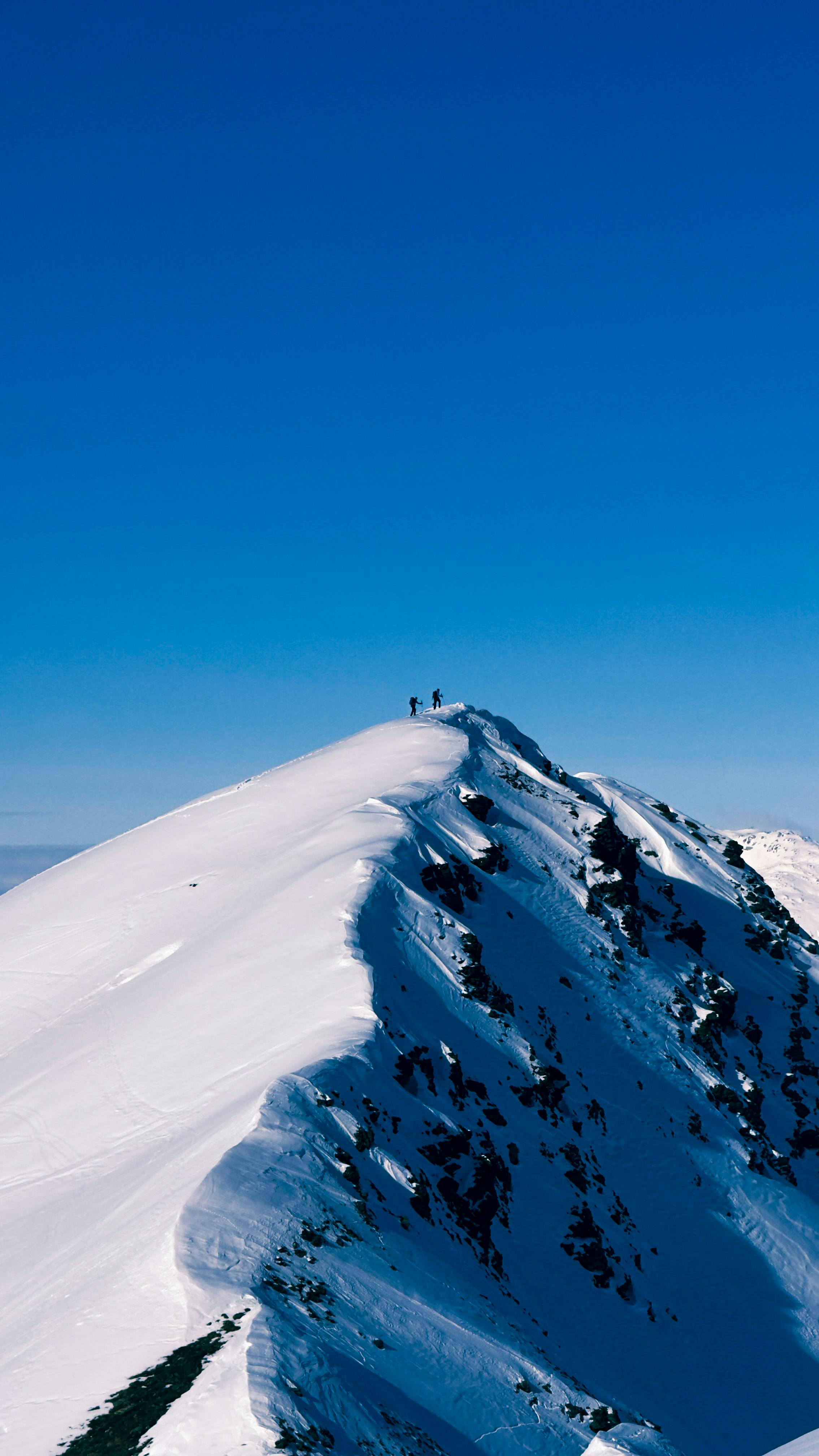
The atmospheric effect is compounded by the reflection characteristics of the terrain. Snow reflects 80 to 90 percent of UV radiation. Ice reflects comparably. At altitude in snowy or glaciated terrain, UV is arriving from above and from all directions below and around you simultaneously.
This bidirectional UV exposure cannot be addressed by conventional eyewear that only covers the eye from above. Standard sunglasses with a normal lens geometry leave the eye partially exposed to upward-reflected UV from snow surfaces. This is why photokeratitis (snow blindness) is possible even with sunglasses if the coverage geometry is inadequate.
The ozone variable
Ozone in the stratosphere absorbs UVB radiation particularly effectively. Stratospheric ozone concentration varies by location, season, and year. In regions affected by ozone depletion — including parts of the southern hemisphere and high latitudes — the UV increase at altitude is compounded by reduced ozone filtration.
This factor is less predictable than atmospheric thickness but can significantly increase actual UV exposure at altitude in affected regions.
What protection looks like above 3,000 meters
For hiking at or above 3,000 meters in snowy or glaciated terrain, standard UV400 sunglasses with conventional lens geometry are inadequate. The required specification changes:
Lens darkness: Category 3 (VLT 8-18%) as a minimum for bright snow conditions. Category 4 (VLT 3-8%) for glacier travel and high-altitude climbing where light intensity is extreme. Category 4 lenses are too dark for walking in mixed terrain with variable light and shade.
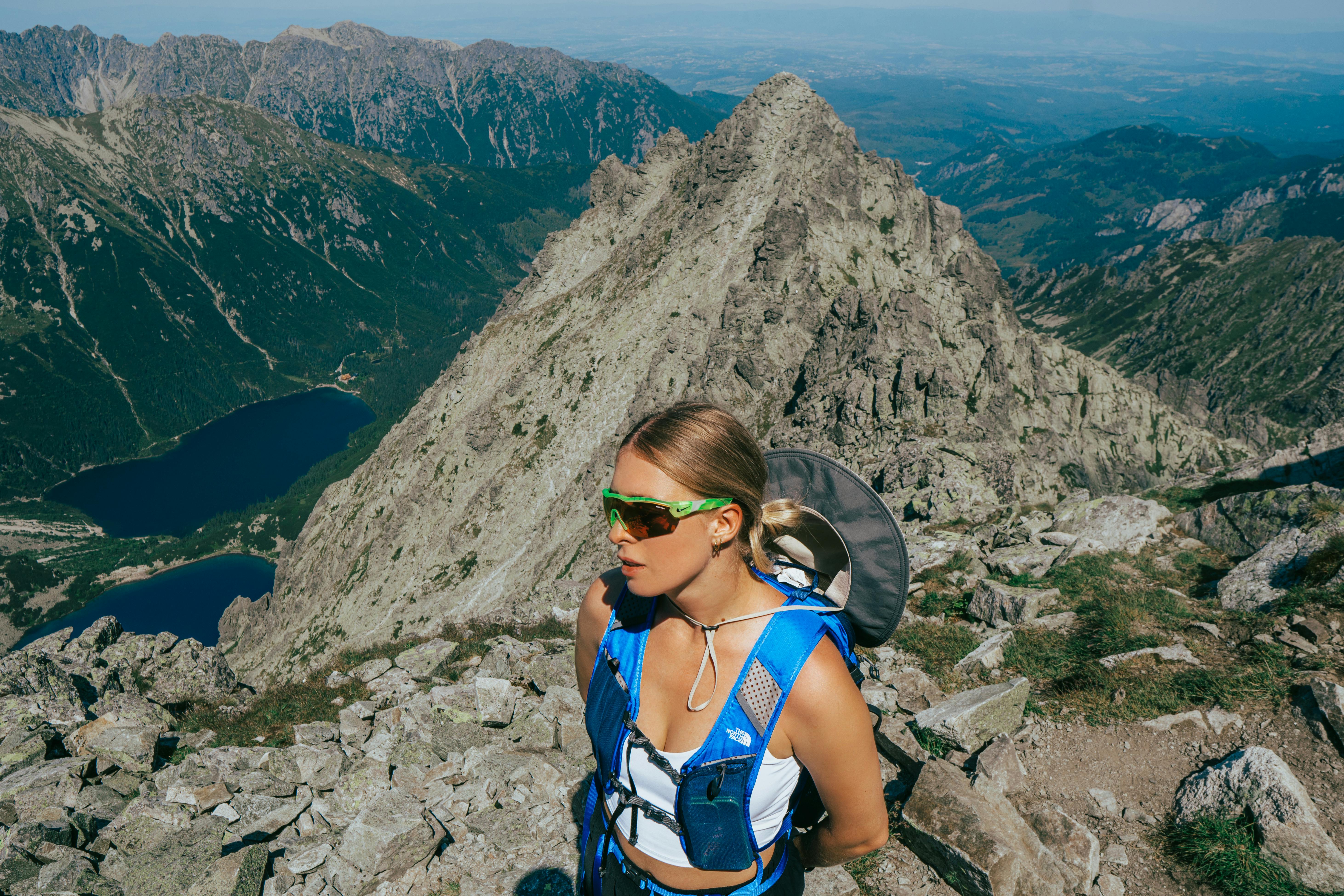
Coverage geometry: Side shields or deeply curved lenses that close the gap between the frame and face. The upward-reflected UV from snow requires coverage below and beside the standard lens area.
Frame fit: A close-fitting frame that minimizes the gap between lens edge and face. The frame geometry that works for lowland trail hiking is a different design requirement than what altitude snow conditions demand.
The glacier approach
For alpine objectives with glacier approaches — increasingly common as glacier access becomes the route to many summits — the protection standard applies from the moment you are on snow, not from the moment you are at maximum elevation.
A 2,500-meter approach that crosses a significant glacier exposes you to near-altitude UV conditions for the full glacier section. The protection should match the terrain, not the elevation alone.
Practical application
If your objectives stay below 3,000 meters in non-snow terrain: standard UV400 eyewear with adequate fit covers your exposure adequately.
If your objectives include altitudes above 3,000 meters, glaciated terrain at any altitude, or prolonged snow travel: invest in eyewear designed for alpine use. The specification difference is not marginal — it is the difference between adequate and inadequate protection for the actual conditions.
Photokeratitis resolves in 24 to 72 hours with rest. Cumulative UV damage to the lens and retina does not.