Climbers are meticulous about gear. They know the breaking strength of their cams, the weight difference between their rack options, the friction coefficient of their rubber. They will spend two hours researching a belay device and thirty seconds grabbing sunglasses off a gas station display.
This is a mistake, and it is a surprisingly common one.
The altitude problem
UV radiation increases by approximately 10 to 12 percent for every 1,000 meters of elevation gain. At 3,000 meters — well within the range of a weekend alpine objective — you are dealing with 30 to 36 percent more UV exposure than at sea level.
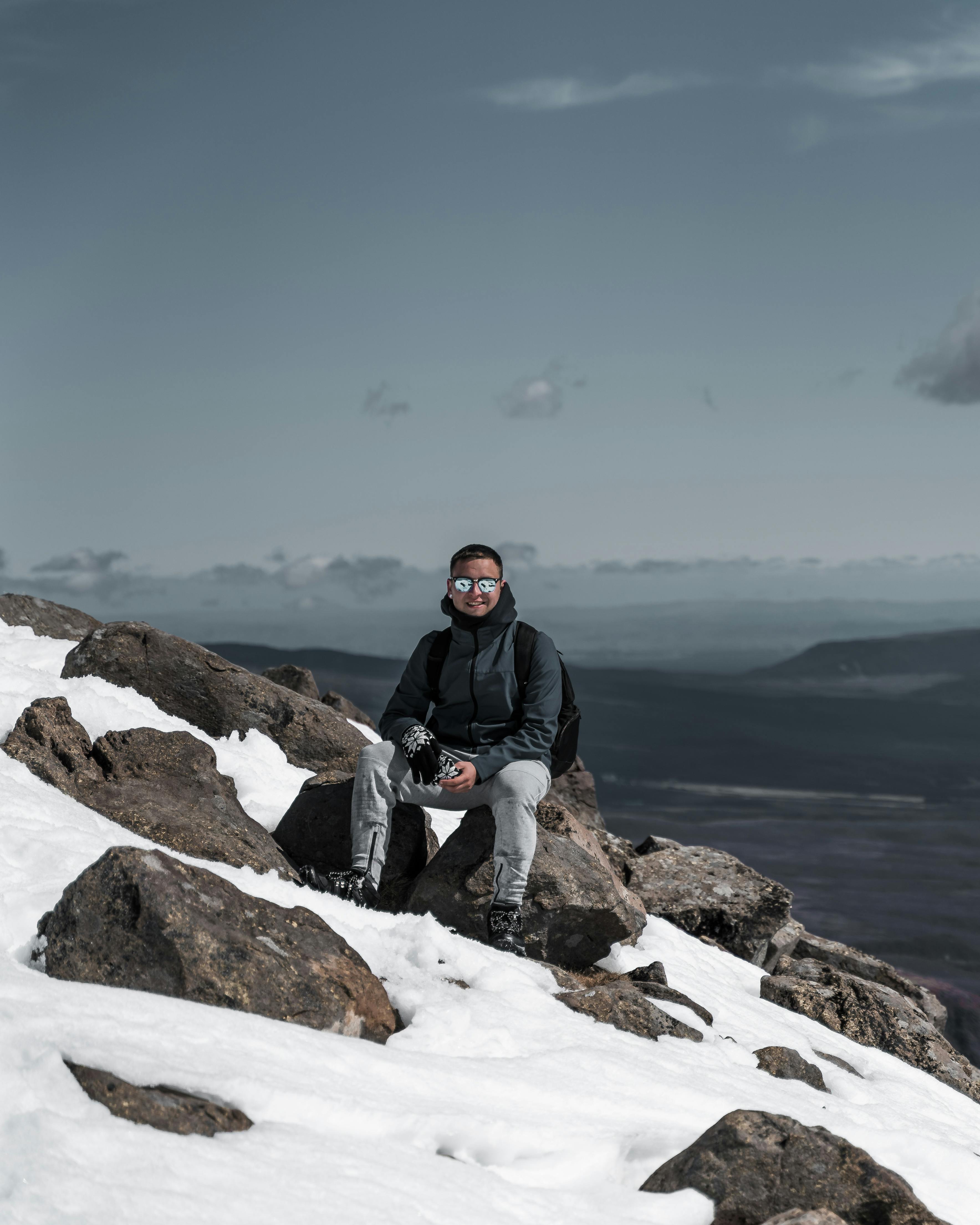
That number compounds with reflection. Snow reflects up to 80 percent of UV radiation. Rock, particularly light-colored granite, reflects significantly more UV than vegetation or soil. On a snow approach or a sunny granite face, UV is hitting your eyes from above and below simultaneously.
The result is that a single day of climbing at moderate elevation in bright conditions delivers UV exposure comparable to multiple days of lowland activity. Over a season of climbing, this adds up significantly.
What most climbers are wearing
The problem is not that climbers do not wear sunglasses. Most do. The problem is the category of sunglasses they wear.
Standard fashion sunglasses — including many reputable brands at mid-range prices — are typically rated to block 99 to 100 percent of UVA and UVB radiation, which sounds sufficient. And at sea level, in most conditions, it is.
What they do not offer is adequate coverage geometry. A standard rectangular or round lens leaves significant gaps on the sides, below, and above the eye. At altitude with snow reflection, UV is entering from angles that standard lenses do not address.
The coverage geometry issue
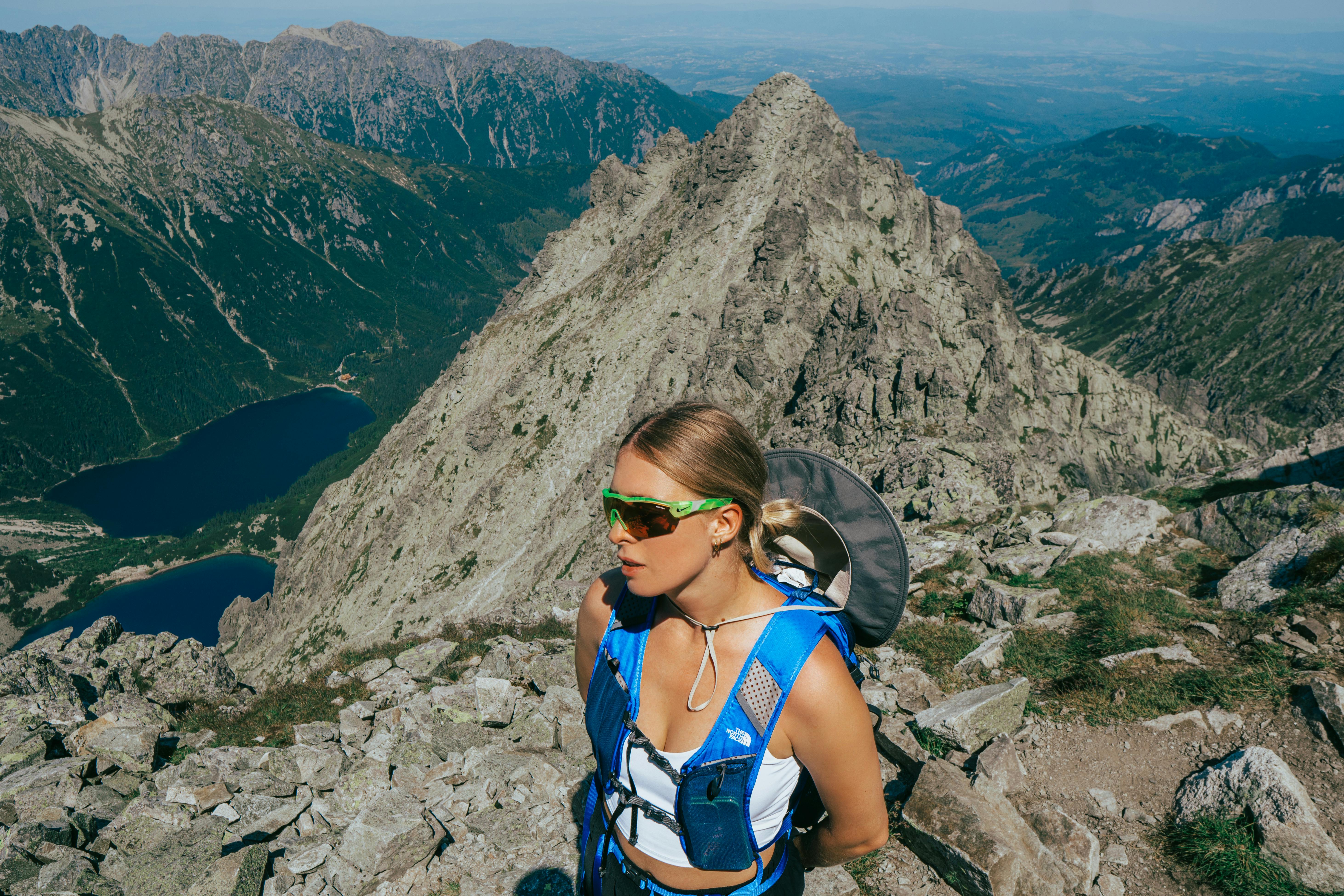
The specification you need for serious climbing is side coverage. Wraparound frames that extend past the outer edge of the eye, or frames with side shields, close the gap that standard lenses leave open.
For technical alpine routes, glacier approaches, and any climbing involving significant snow time, look for:
- Category 3 or 4 lens (European rating) or 85 to 97 percent visible light transmission reduction
- Wraparound frame geometry or side shields
- Close-fitting frame that sits near the face rather than floating away from it
- Polarized lens for snow and water environments where reflected glare is the primary hazard
Category 4 lenses — the darkest rating — are designed for high-altitude and glacier environments. They are too dark for driving and should not be used in variable light conditions on technical terrain where visibility matters for safety decisions.
The secondary problem: retention
Climbing involves sustained effort, variable temperatures, and frequent position changes. Standard sunglasses are not designed for this. They slide on sweat, catch wind, and do not stay put when you are inverted, looking straight up a crack, or pulling through a crux with your head down.
A retention strap is not optional for climbing. It is a basic functional requirement. Most climbing-specific sunglasses come with strap attachment points. Fashion frames generally do not.
The practical recommendation
For casual cragging at low to moderate elevation in temperate conditions, a standard high-quality sunglass with UV400 certification is adequate. Prioritize coverage and fit over brand.
For alpine climbing, glacier travel, high-altitude approaches, or any climbing involving significant snow: invest in a frame designed specifically for mountain environments. The exposure is categorically different and standard sunglasses are not sufficient.
Your eyes are the only piece of gear you cannot replace.