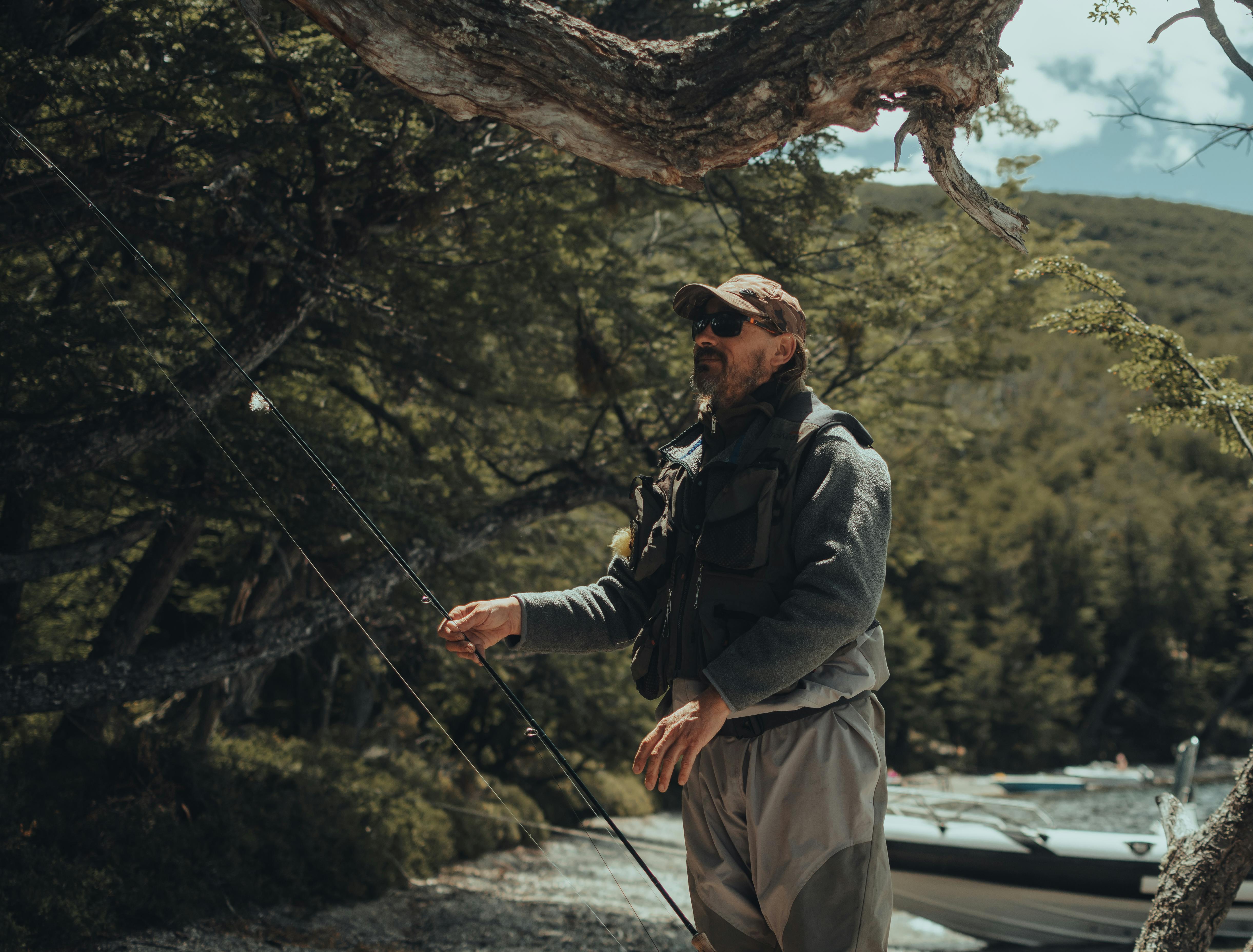
If you ask any fishing retailer whether you need polarized sunglasses, the answer will be yes. This is correct, but it deserves more specificity than it usually gets. Polarized lenses do specific things that benefit fishing in specific conditions. Understanding what those things are helps you make a more informed decision than “polarized is better.”
What polarization actually does
Light reflecting off a flat horizontal surface — water, roads, snow — tends to be polarized horizontally. This produces glare: the intense, vision-impairing reflection that makes it difficult to see through or into the surface.
A polarized lens contains a filter that blocks horizontally polarized light. This filter eliminates the glare from water surface reflection, which does two things relevant to fishing: it reduces visual fatigue from sustained glare exposure, and it allows you to see through the surface of the water rather than seeing a bright reflection of the sky.
The second benefit is the specific fishing advantage. Seeing through the water surface lets you spot fish, read structure, identify depth changes, and observe how fish are responding to your presentation. In clear-water fishing conditions, polarization is a genuine tactical advantage.
When polarization matters most
Clear water, sight fishing: This is where polarization earns its reputation. Sight fishing for trout, bonefish, tarpon, and other species where visual spotting is part of the technique is significantly more effective with polarized lenses. You are not fishing blind; you are reading the water.
Still or slow-moving water: Flat water surfaces produce the most intense horizontal glare. Lakes, ponds, and slow rivers in bright conditions are where the polarization benefit is most pronounced.
Bright daylight: Polarization is most valuable when glare is most intense — full sun, midday conditions, water with good reflective angle to the sun.
When polarization matters less
Fast-moving white water: Turbulent water does not produce the flat horizontal reflection that polarization addresses. In rapids or heavily riffled water, the glare pattern is chaotic and polarized lenses offer less advantage over standard UV-protective lenses.
Low light or overcast conditions: Glare is reduced in flat light, which reduces the value of polarization filtering. In dim conditions, polarized lenses can actually reduce visibility by blocking more light than the conditions warrant.
Deep water or murky water: If you cannot see the bottom regardless of lens type, the ability to see through the surface provides less tactical advantage.
Lens color for fishing
Polarization is the filter layer. The lens tint is separate and also matters for fishing.
Amber/brown: Enhances contrast and depth perception. Most effective in moderate to low light and in variable or partly cloudy conditions. The most versatile choice for freshwater fishing in temperate conditions.
Gray: Preserves color accuracy. Best in full, bright sun when accurate color rendering of the water helps you read conditions correctly.
Yellow/green: Enhances contrast in low light. Useful for dawn and dusk fishing, overcast conditions, or heavily shaded water.
The honest recommendation
For most fishing in clear water and bright conditions: yes, polarized lenses provide a meaningful advantage. The benefit is real and the tactical value of seeing through the water surface is not trivial.
For fishing in turbulent water, low light, or murky conditions: polarization is a smaller advantage. A good UV400 lens in an appropriate tint may serve you as well.
The better question before buying fishing-specific eyewear is: where do I primarily fish, and what are the typical light and water conditions? The answer to that question determines how much you should prioritize polarization versus other factors like coverage, weight, and lens tint.