Winter hiking has its own eye protection challenges, but they’re consistent. The sun sits low, snow reflects UV, and you know to bring dark lenses. Spring is trickier because conditions shift constantly, sometimes within a single hike.
Here’s what actually changes between March and June and what it means for the eyewear you bring on trail.
Sun angle increases dramatically
The sun’s angle above the horizon increases significantly between March and June in most Northern Hemisphere locations. Higher sun angle means UV radiation travels through less atmosphere before reaching you, which means more intense exposure even on days that don’t feel particularly hot.
By mid-April, UV index levels at moderate elevations (4,000 to 6,000 feet) can reach 7 or 8 on clear days. That’s “high” on the UV scale and enough to cause eye fatigue and contribute to long-term damage during an all-day hike.
The practical impact: sunglasses that felt optional on a February hike become necessary on the same trail in April.
Canopy cover changes the game
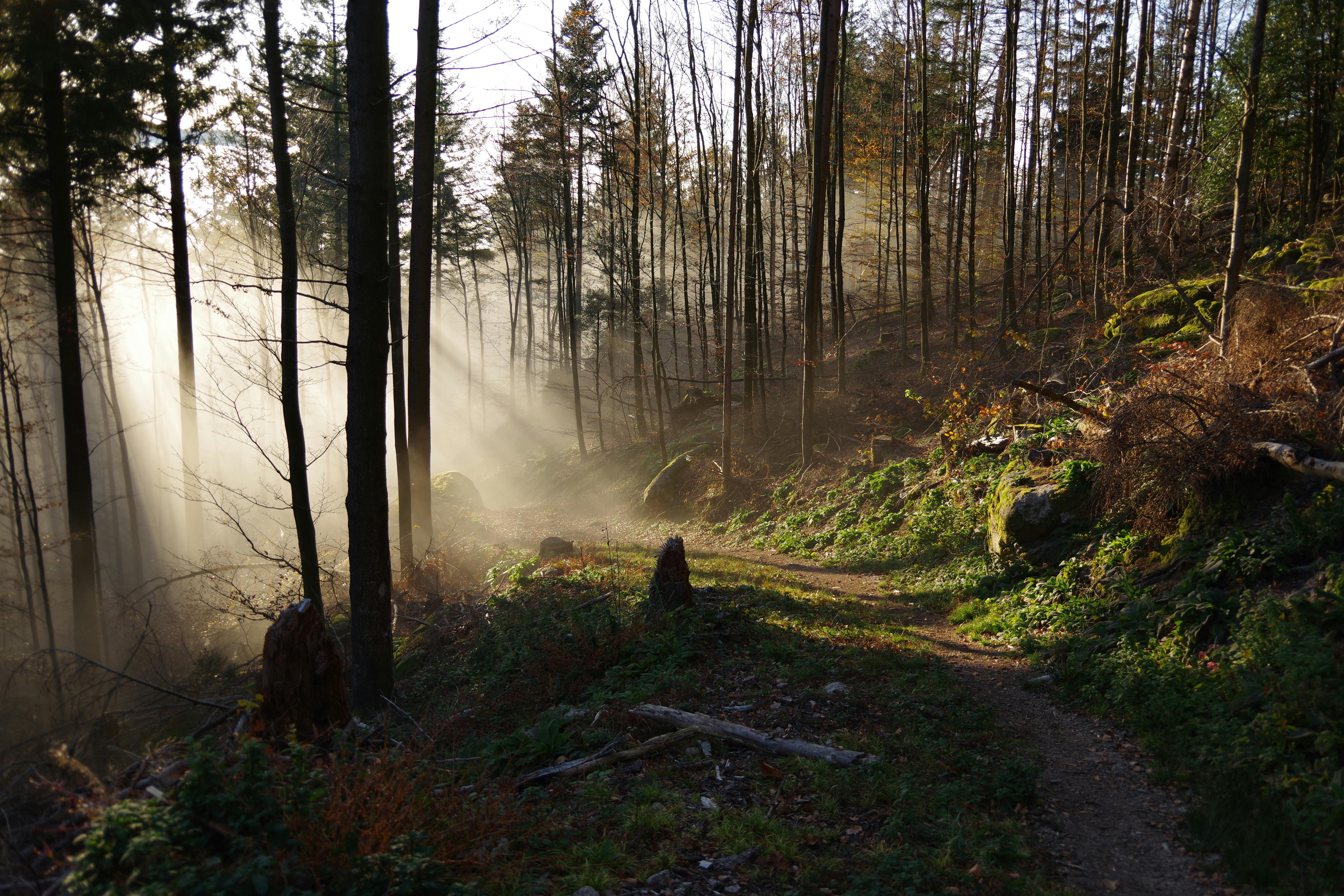
Deciduous trees start leafing out in spring, which creates alternating zones of deep shade and bright exposure on wooded trails. Your eyes are constantly adjusting between dark canopy sections and open ridgelines or clearings.
This matters for lens choice. Very dark lenses (Category 4) that work perfectly on an exposed alpine ridge become problematic in a forest where you’re moving between light and shadow every few hundred meters. Your pupils can’t adjust fast enough, and the dark sections feel genuinely difficult to see through.
For spring hiking through mixed terrain, a Category 2 or 3 lens is usually the better choice. You want enough tint to cut the brightness in open areas without making shaded sections feel like walking through a cave.
Water crossings and mud reflections
Spring means snowmelt. Snowmelt means creek crossings, mud, and standing water on trails that were dry two months ago. All of these surfaces reflect UV radiation upward toward your eyes, adding to the direct overhead exposure.
Polarized lenses become genuinely useful in spring for this reason. They cut the surface glare from water and wet rock that non-polarized lenses let through. If you’re doing any trail that involves stream crossings or runs alongside water, polarized is the practical choice.
Allergens and wind
Spring wind carries pollen, dust, and debris that winter trails don’t have. If you’re prone to eye allergies, wraparound frames or frames that sit close to your face provide meaningful protection. They act as a physical barrier between your eyes and airborne irritants.
This isn’t a reason to buy dedicated “allergy sunglasses,” but it’s a reason to prefer frames with decent coverage over small, fashion-forward styles when you’re hiking in spring. Your eyes will thank you at the end of a windy ridgeline traverse through blooming trees.
The spring kit adjustment
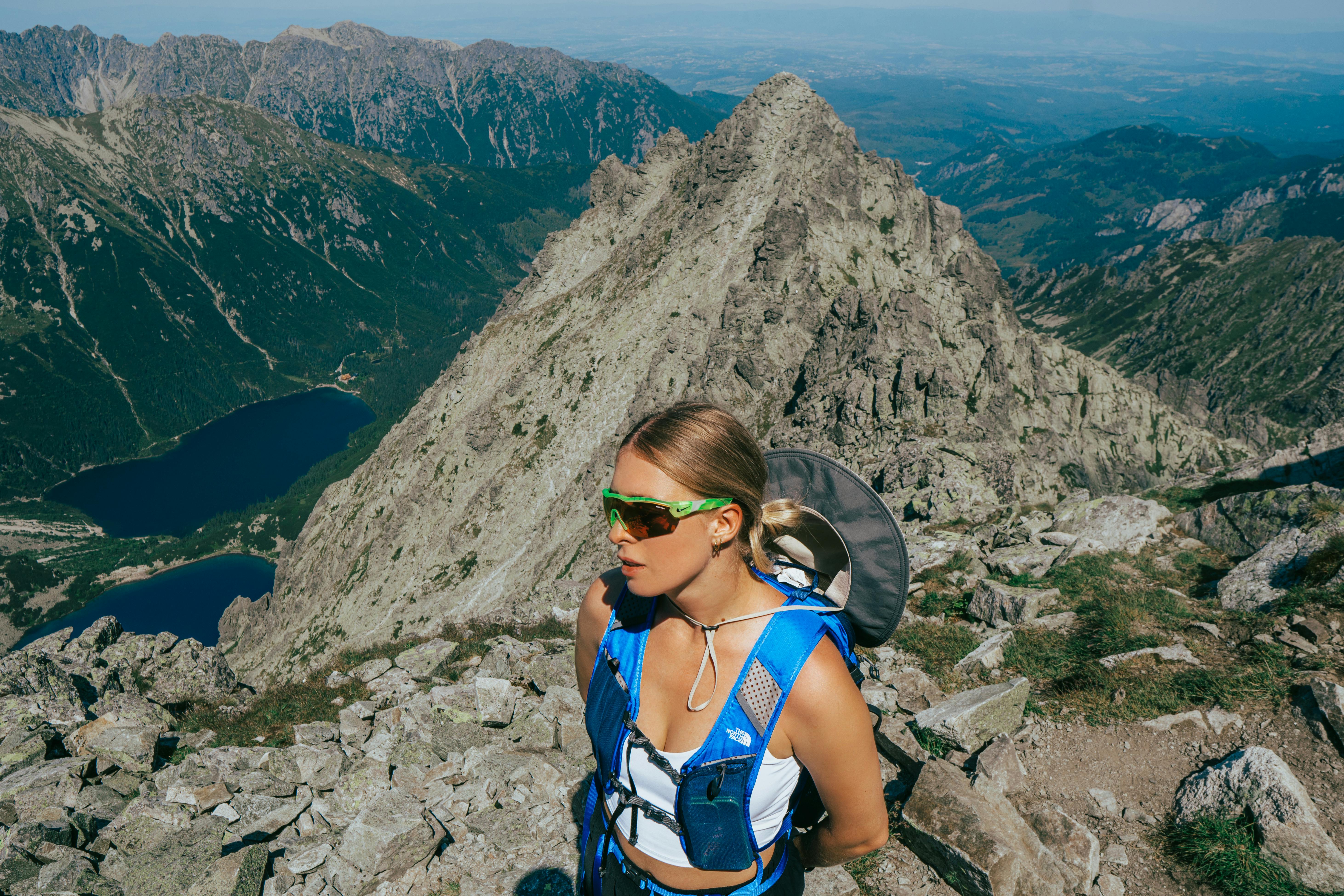
Swap your winter Category 4 glacier lenses for a Category 2-3 pair with good coverage. If you hike near water, make those polarized. Bring a microfiber cloth because spring is dusty. And start wearing your sunglasses earlier in the hike than you think you need to. The UV is stronger than it feels when there’s still a cool breeze.
Spring hiking is the best hiking. Make sure your eyes enjoy it as much as your legs do.